
Field Notes
11.08.26 · Budapest
Sziget 2026, Day -1 and Day 0: the year the festival got itself back
// Coda · 7 min read
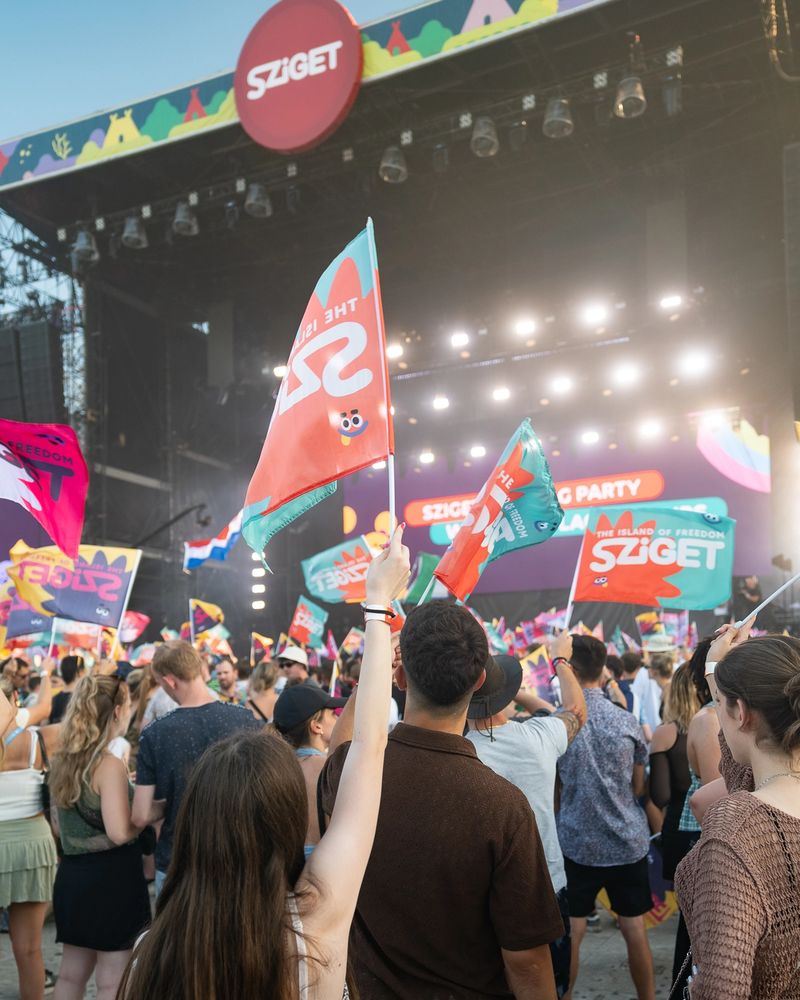
Sziget has been running on an island in the Danube since 1993. This summer, for the first time since 2017, it belongs to the people who built it. That is the short version of why the 2026 edition feels different, and you notice it before right when you walk in.
How Sziget got itself back
The festival proper runs five days, from 11 to 15 August. What is new this year is what happens in front of it. Sziget bolted two extra evenings onto the start of the week, ticketed separately from the five-day pass, and labelled them Day -1 and Day 0. Neither of them sells a single extra plane ticket. That is roughly the point.
In 2017, Sziget sold a 70 percent stake to Superstruct, the live entertainment group backed by the American private equity firm Providence Equity Partners. The remaining 30 percent followed in 2022. In 2024, KKR bought Superstruct from Providence in a deal reported at 1.4 billion dollars, which put one of Europe's oldest independent festivals inside one of the largest private equity portfolios in live music.
Then, in November 2025, Sziget left. The festival is now owned outright by its founder and management team, with Károly Gerendai back after eight years away, plus a new multi-year land agreement with the city of Budapest. Gerendai said at the time that the focus would be on Sziget's own identity and values, "not only through the headline acts but also by deepening the festival's cultural significance and its connection to Budapest."
2026 is the first edition built under that sentence, and you can see it from the ground. The site is decorated rather than branded. The small stages are stacked with bands who play instruments in a room, rather than acts that exist mainly as a fifteen-second sound. And those two evenings before the gates properly opened went to a Hungarian songbook and to the festival's own veterans.
Day -1: Bródy Songs Day
The main stage at Sziget on 9 August was not aimed at us internationals. That much was obvious within about four minutes.
We arrived partway through and walked into a field that already knew every word, song after song. And they were not even singing at the stage. They turned sideways and sang at each other, and at us, with the specific optimism of people who assume you must know this one too.
We asked a friend from the Hungarian press what we were listening to. Birthday songs, she said. The Winnie the Pooh song. A day full of happy crowd.
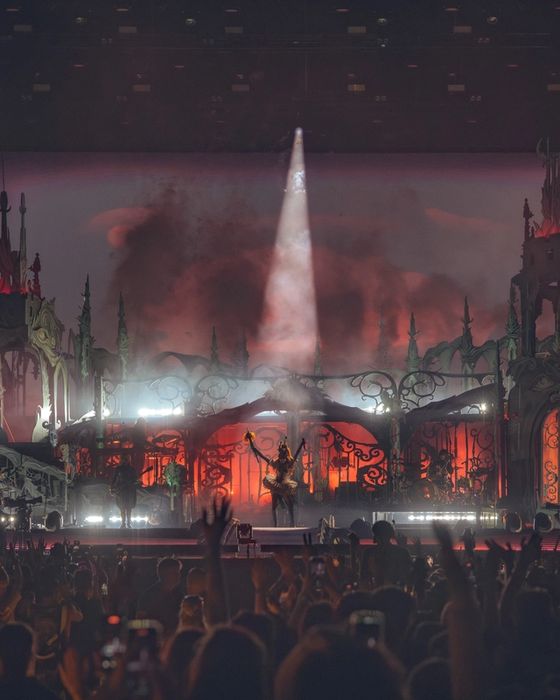
János Bródy turned eighty in April. Sziget gave him the main stage on 9 August, officially Day -1, and filled it with more than fifty performers working through close to seventy of his songs, from four in the afternoon to one in the morning. The bill ran from Koncz Zsuzsa, Presser Gábor, Szörényi Levente and Halász Judit, who have been singing his work since the sixties, to Azahriah, Beton.Hofi, Carson Coma and Dzsúdló, who are young enough to be their grandchildren. Bródy closed it himself.
Here is what makes that singalong stranger than it looks from outside. Bródy wrote "Micimackó," the Hungarian Winnie the Pooh song, and "Boldog születésnapot," the birthday song Hungarian children have been sung since 1986, both recorded by Halász Judit. He also wrote "Ha én rózsa volnék," which appeared on Koncz Zsuzsa's album Jelbeszéd in 1973 and was read by the authorities as a comment on the crushing of the Prague Spring. The album was pulled from shops and destroyed. That same year, after speaking out about police violence at a pop festival in Diósgyőr, Bródy was charged with incitement and given a travel ban that kept him off the road for months and helped finish off his band Illés. A decade later he wrote the libretto for István, a király, still a national fixture.
So the crowd around us moved between nursery rhymes and songs that once cost their author his passport without changing gear. Nobody announced which was which. You watched the faces and worked out that the register had shifted.
Sziget calls its site the Island of Freedom, the kind of branding that usually means very little. For one evening it meant something quite specific.
Six hours of Hungarian songs on the main stage, on a separate ticket, aimed squarely at people who are not the international festival tourist, is not a decision a portfolio company makes. It is a decision a founder makes.
Day 0: Sziget Icons
The following night, 10 August, was billed as Sziget Icons: the acts that soundtracked the festival's first generation, brought back for the people who were there.
Opening with Goran Bregović and his Wedding and Funeral Band was the smartest call of the two days. An icons night has a risk built into it, which is that everyone stands still and waits to be moved by nostalgia. Bregović does not permit standing still. Brass, drums, a band that plays weddings and funerals at the same volume, and within twenty minutes the field was loose and dancing and ready to be handed something slower.
Morcheeba went afterwards. Skye Edwards played the set in a cast and one high heel, and gave no indication that she considered this a problem. There is a version of trip-hop that only works if the singer drifts around the stage. This was not that version. She stayed put and sang, and the songs held up without the choreography, which is arguably a better advertisement for them.
Then Faithless, and the question everyone had been carrying all day. Maxi Jazz died in 2022. He is not a frontman you replace, and playing "Insomnia" without him is an obvious way to get this wrong. This is also the first summer they have had to answer it in public: 2026 is their thirtieth anniversary and their first run of live shows in eight years, with Sziget landing a day after Audley End and two days before their Boomtown debut.
They did not get it wrong. There were two voices up there instead of one stand-in, and that worked really well. The band is led by founding members Sister Bliss and Rollo, and the vocalists on Champion Sound, released last September, are Nathan Ball and Amelia Fox. Nobody was doing an impression. The songs had been rebuilt for the people singing them now.
They also reached outside their own catalogue. At one point the field got "Howling," the RY X and Frank Wiedemann record, which is nobody's idea of a Faithless song and was exactly the right thing at that moment. Thirty years of DJing tells you when a crowd needs somebody else's record more than another of yours.
What the three nights have in common
Both evenings were about the same thing, and so is the ownership paperwork.
An eighty-year-old handing seventy songs to performers a third his age and standing at the back while they do it. A band carrying a catalogue past the voice that defined it, changing the songs rather than embalming them. A festival buying itself out of a private equity portfolio and immediately spending its first free summer on a Hungarian songbook and a night for its own veterans.
Three versions of the same decision: who a thing belongs to once the people who built it step back. On the evidence of a Hungarian crowd teaching two photographers who walked in halfway the words to a birthday song, the answer is whoever kept singing.
From this story
Also on TREACLE
Field Notes
Sziget for first-timers: the island festival, explained
Five days on an island in the middle of Budapest, running 11 to 15 August. What Sziget actually is, and what to know before your first one.

Voices
Wild Wild Women: "If the hunger dies, you die"
India's first all-female hip-hop collective spent this summer on their most extensive European run yet, ending at Sziget. MC Mahila, one of the five, on how it started at a cypher in Mumbai, what it cost to get there, and why nobody in the group writes anybody else's verse.

Field Notes
ADE 2026: what a day actually looks like
The 30th Amsterdam Dance Event runs 21 to 25 October, from an aquarium at nine in the morning to hundreds of club nights. Here is the shape of a day.
TREACLE