
Voices
08.08.26 · Munich
Soft clubbing with SWANA sounds: Bedouin love songs and backgammon in Munich
// Maxi · 4 min read
Do you know what Bedouin music sounds like?
I didn't either, at least not until I attended the "SWANA Love Songs" afternoon at the Lenbachhaus in Munich (SWANA stands for South West Asian and North African). The cultural event, organised by siblings Amira and Marius, is part of a series that blends diverse music genres with lively backgammon games.
We don't need words to express ourselves, we have music
To understand what Bedouin music can sound like, I speak with Sleman, whose grandfather was Bedouin and introduced him to the tradition by playing love songs to his grandmother. He played them on a rababa, a one-stringed bowed instrument that produces an "electic" sound, as Sleman describes it.
Today, Sleman is trying to "save this music" by digitising older songs. "Bedouin music is being erased and is very hard to access," he tells me. To find this Palestinian heritage, he had to search through Israeli archives. Although he cannot play the rababa himself, he is determined to revive its sound by performing at community events like this one.
In recent years, much Arab music has been digitised, making it accessible to wider audiences. Bedouin music, however, has not received the same attention, "maybe because it's too niche," Sleman thinks. Still, he believes the effort is worthwhile because "this music is so gentle, yet strong, and all of it with just one string. I want to make it come alive through my own tools."
Where global sounds meet personal histories
Marius and Amira agree that their favourite music comes from Palestine and Brazil. Amira, who studied Sociology with a focus on decolonisation, feels that the most heartfelt music often emerges from histories of oppression, such as during Brazil's military dictatorship.
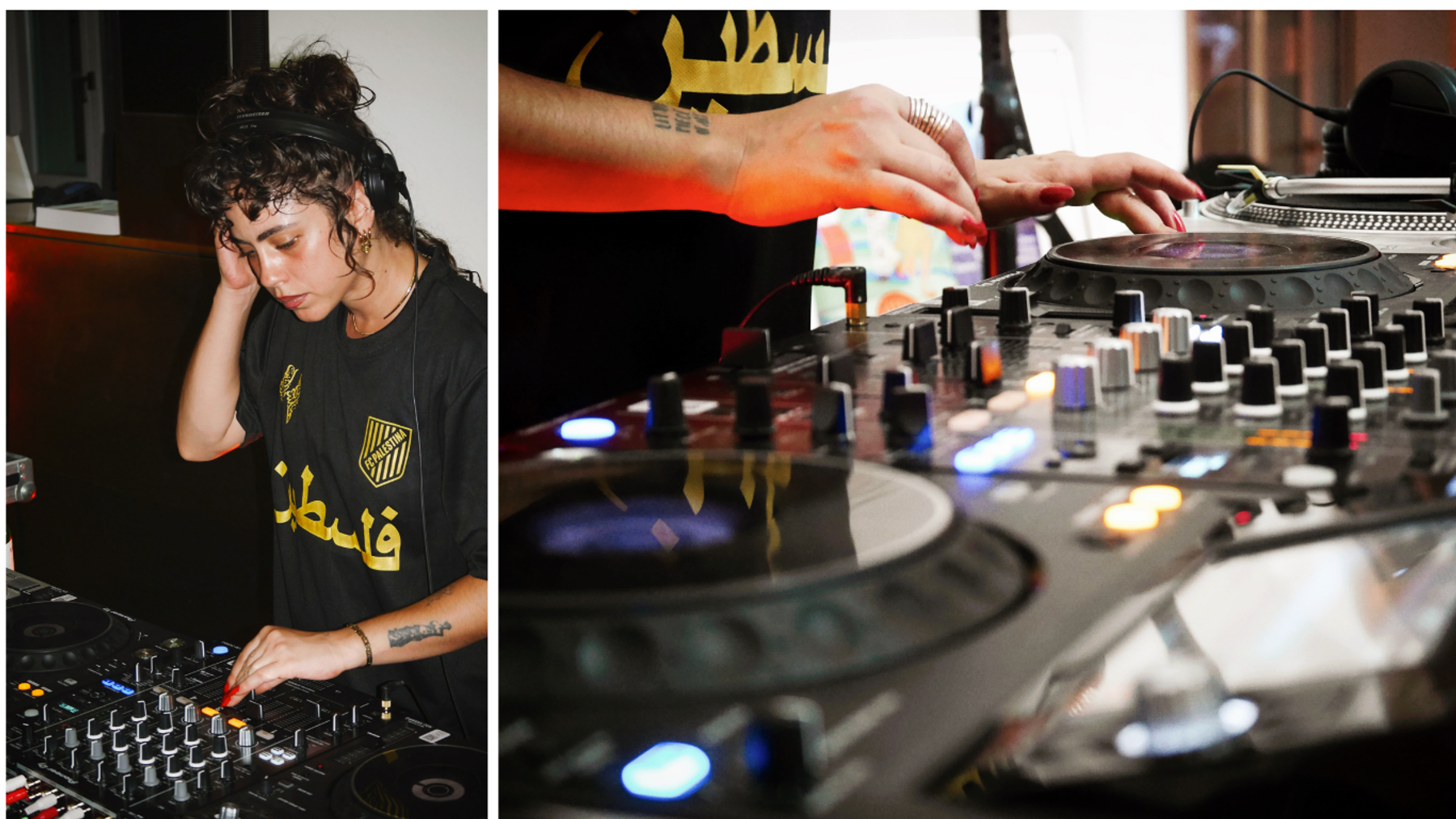
Marius echoes this sentiment. He loves Bossa Nova and Samba for their West African influences and elements reminiscent of Blues or Flamenco. The percussions are his favourite part. Both siblings also enjoy Palestinian music because their father is Palestinian. Marius adds that, despite stereotypes surrounding Country music, many Arabs appreciate the genre, including him, especially Country Rock.
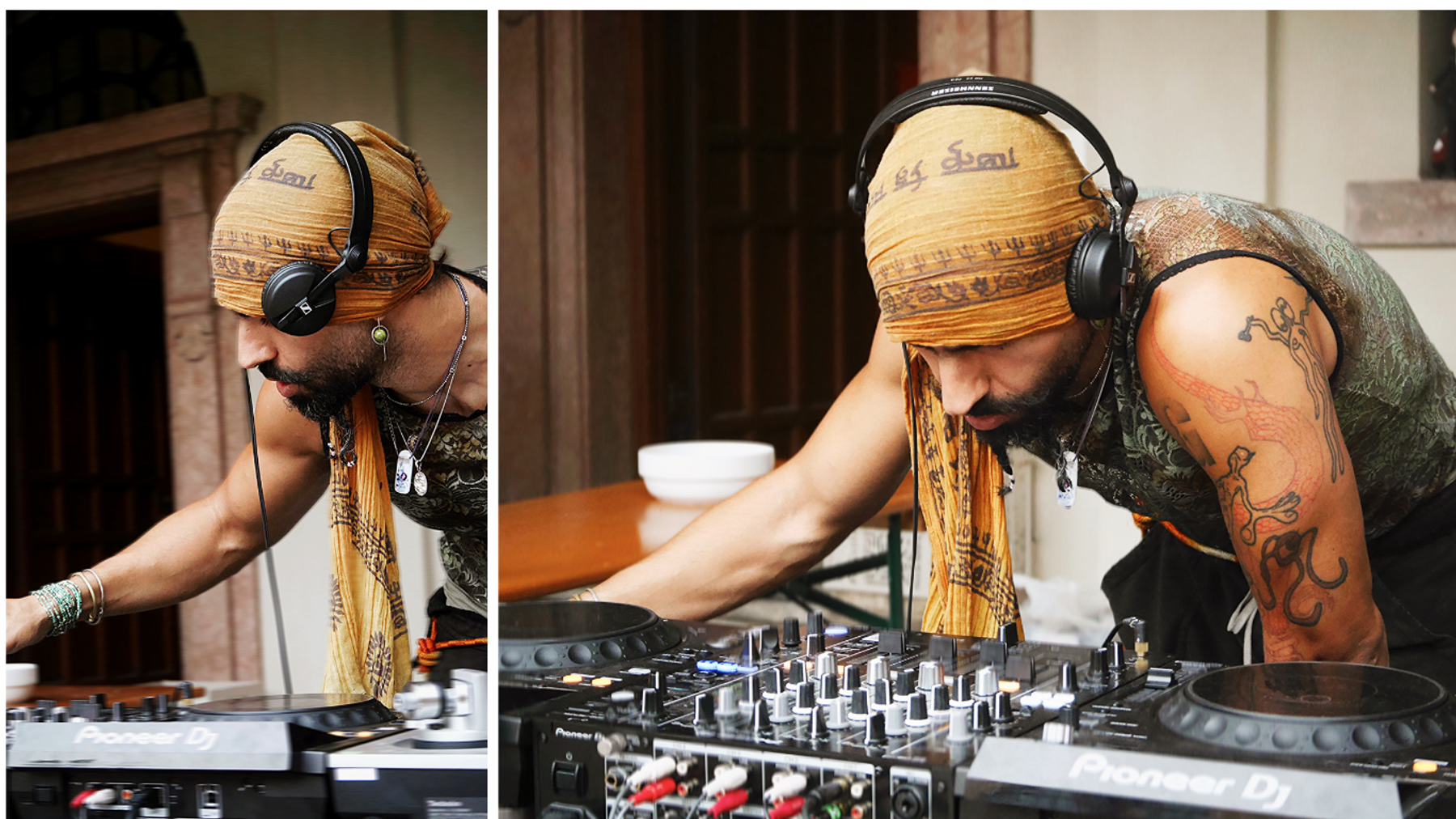
Tawla: a soft-clubbing essential
Soft clubbing is a new idea rather than a revived one. The term was only coined in early 2025, for nights that keep the music and the company of a club but drop the rest of it: daytime hours, low volume, no pressure to drink. Chess clubs, listening bars and coffee-shop DJ sets all sit under the same umbrella. What Amira and Marius have been doing for almost two years fits the description neatly, and predates the label.
Chess, however, often carries a "classist, white, male touch," Amira notes. "You often get the rules mansplained to you." Backgammon or Tawla, on the other hand, is easy to access, and luck plays a major role because of the dice. "We just want people from all different social groups to come and have fun," she explains.
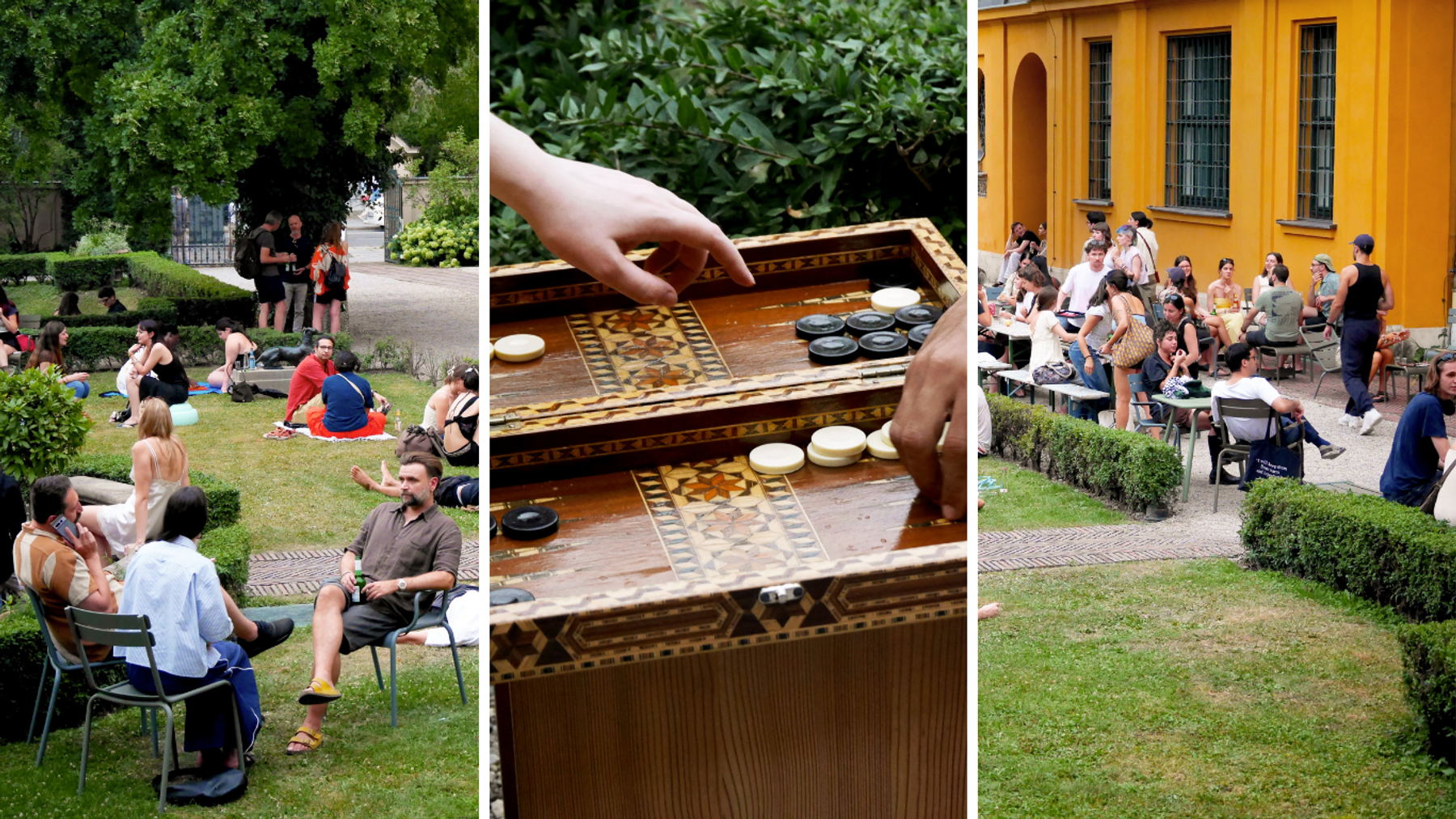
As a "first generation student," Amira knows how challenging it can be to feel comfortable in cultural institutions. Choosing museums as the venue for their event series is therefore intentional.
The siblings began organising almost two years ago, initially curating playlists as background music. With support from the city's cultural department, they can now pay DJs and artists, a change that allows them to offer free live music events and provide a platform for FLINTA DJs or DJs from immigrant backgrounds.
What's next?
The collective is currently working on merch, and their next event will take place at the summer festival of Radio 80000 in Munich. If you can't attend, you might enjoy listening to the Turkish artists highlighted by DJ Mert from Istanbul during his set.
Erkin Koray and Barış Manço are the two to start with.
Words and photos: Maxi, photographer and journalist in Munich.
More from Voices
Voices
Wild Wild Women: "If the hunger dies, you die"
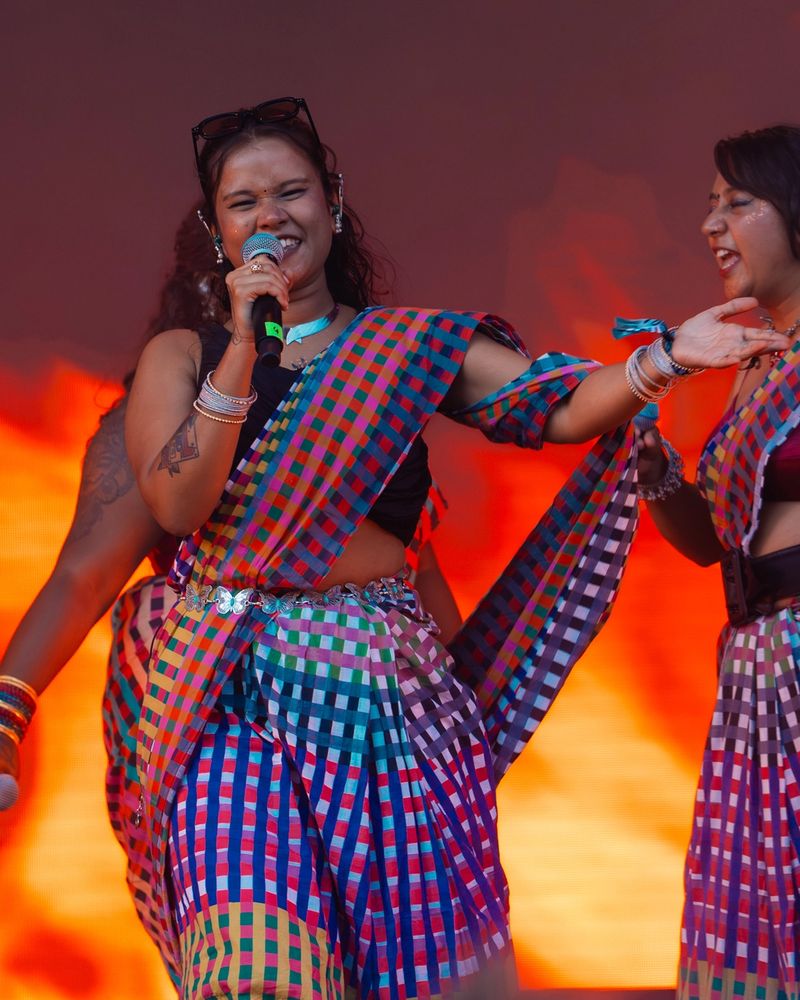
India's first all-female hip-hop collective spent this summer on their most extensive European run yet, ending at Sziget. MC Mahila, one of the five, on how it started at a cypher in Mumbai, what it cost to get there, and why nobody in the group writes anybody else's verse.

Voices
From Tunis to Sziget: "our sound belongs on those big international stages"
Illbucks won a place on a European festival stage, brought his band from Tunis to Budapest, and played Sziget with them behind him. The Tunisian rapper, singer and producer on the set, the crowd and what he was watching when he was not on stage.
Voices
"Don't only chase the biggest names"
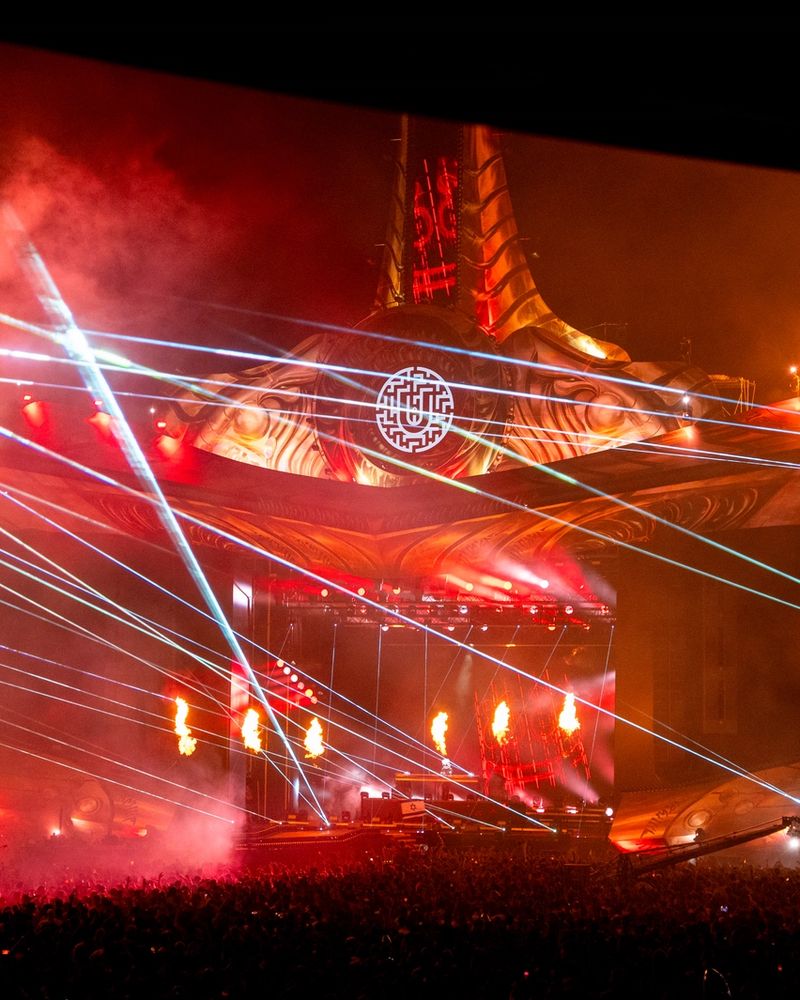
Half a million people, nine stages and a main stage inside a football stadium. What Untold is actually like, from someone who spent all four days moving between them.
TREACLE