
Voices
18.08.26 · Budapest
From Tunis to Sziget: "our sound belongs on those big international stages"
// Illbucks / Annelies · 9 min read
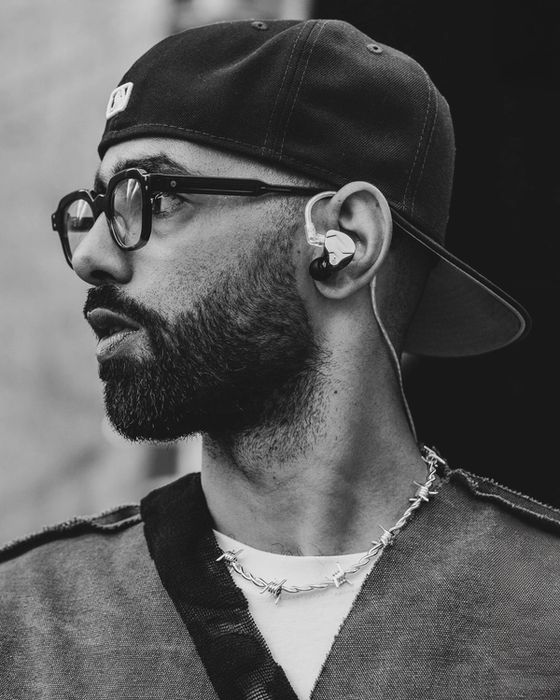
Yassine Mejri was twelve when his mother took him to a conservatory in Tunis and asked him to choose an instrument. He picked the guitar. This month, recording as Illbucks, he played Sziget with a full band behind him.
He is a rapper, singer, songwriter and producer from Tunisia. He is also his own manager, which meant that the Schengen visas for the whole band, the flights, the accommodation, the technical rider, the backline and the local transport were all arranged by the man who then had to walk out and perform.
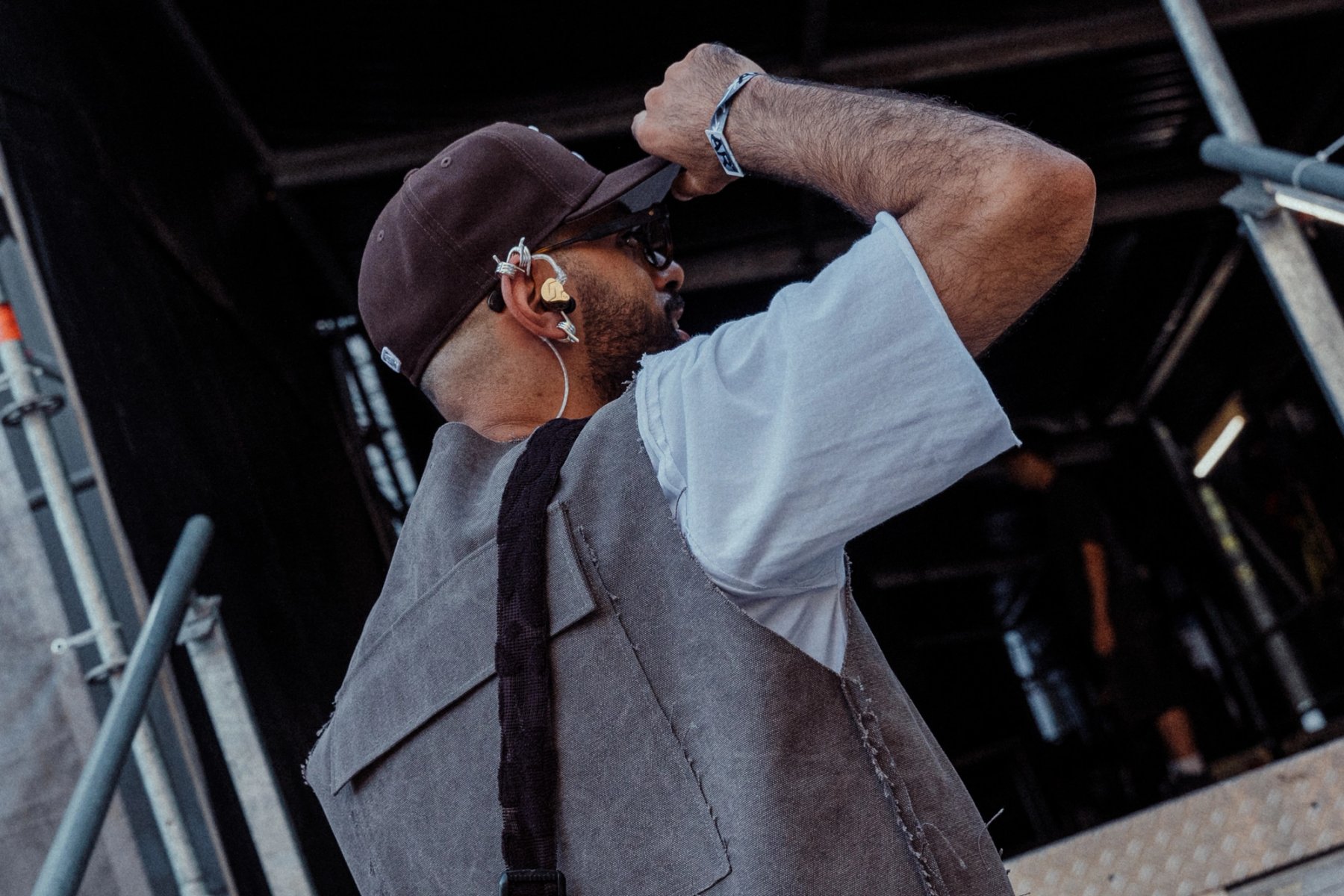
He got to Budapest by winning GrassrEUts, a competition that puts independent artists from Tunisia, Serbia, Hungary, Portugal and Ukraine onto European festival stages. He explains that better than we can, further down.
We caught him at Sziget, on stage and in the crowd.
Who are you, where did your love for music start?
I am Illbucks, Yassine Mejri, a Tunisian rapper, singer, songwriter and producer.
My journey with music started at a very young age. Me and my older brother spent hours listening to CDs and loading up our computer with full albums and projects. Back then I was just a kid taking it all in. I didn't understand what an album meant, what made someone an artist, or even the structure of a song. I was simply drawn to the sounds. We grew up watching Michael Jackson's live performances and listening to Balti, the greatest rapper in the Tunisian scene and a true pioneer of our hip-hop culture. Those early moments, listening to music without any filter or technical understanding, were my very first steps into this world.
At age 12, my mom asked me if I wanted to study music and learn an instrument. She took me to the conservatory, and I chose the guitar. That was the real turning point. Learning the instrument and diving into music theory shifted everything from just listening to actually understanding how music is built.
After three years at the conservatory I took what I learned and formed my own band, making a fusion of Tunisian hip-hop and pop. That was the moment I truly connected with hip-hop, and it changed everything for me. I dove deep into artists and collectives that heavily inspired me, like Pro Era, TDE, Flatbush Zombies and J. Cole. Their sound pushed me to step beyond just playing an instrument and start writing my own lyrics and producing my own tracks. By 2017 I put out my very first mixtape online.
If someone is hearing your music for the first time, which song should they play first? Why that one?
"Can We Be Closer," my collaboration with Souha. That track encapsulates everything I love about making music. The entire creation process was completely spontaneous, from the groove and lyrics down to the overall sound palette. It has an atmosphere that feels effortless yet deeply grounded in the exact vibe and texture I always strive to create. If you want to understand my sonic identity, that song is the perfect entry point.
When you start a new song, what comes first? A beat, a lyric, or something you play on the guitar?
Honestly, I don't follow a fixed process. A song can start from a couple of lines I scribbled down right when I woke up, a random melody caught in a voice memo, or a beat idea I've been sitting on. I don't force a specific workflow. I just let whatever spark comes first take the lead and build from there.
What does making music in Tunis give you that you could not get anywhere else?
As a Tunisian artist you're constantly pushing boundaries against all odds. There's a distinct sense of hunger here that forces you to be genuine, build from zero, and find your own distinctive voice. Also, being surrounded by the people I work with, who feel like real family, gives me the courage to stay true to my music no matter what.
Can you tell us what GrassrEUts is? What changed for you after you won it, and what stayed exactly the same?
GrassrEUts is an EU-funded cultural initiative designed to spotlight emerging music scenes by building a bridge between international festivals and local independent artists.
What changed: winning it unlocked international exposure and gave my music a direct pathway to audiences beyond Tunisia. It validated all the hard work we've put in locally and opened doors to massive international festival stages.
What stayed exactly the same: the work ethic, the identity and the hunger. Getting that kind of recognition doesn't mean you slow down, it just means the bar is higher. I'm still in the studio every day with the exact same inner circle, producing, writing, and staying completely true to the sound and vision I've been building.
What did you have to arrange to get yourself and the band from Tunis to Hungary?
Honestly, it's been a massive challenge because I manage myself on top of being the artist. Coordinating the full logistics for an entire band, from securing Schengen visas, flights and accommodation to locking in technical riders, backline gear and local transportation, is basically a full-time job in itself. It takes serious discipline, but at the same time, taking total ownership of the process makes reaching that stage so much more rewarding. I'm just proud that everything was handled step by step and prepared exactly as it should be.
How was it to play Sziget? What went through your head when you walked onto that stage?
When I first walked onto that stage my mind was completely clear. After all the rehearsals and preparation I just wanted to focus 100 percent on the show. This was a massive opportunity for us and we knew we had to give it everything we had.
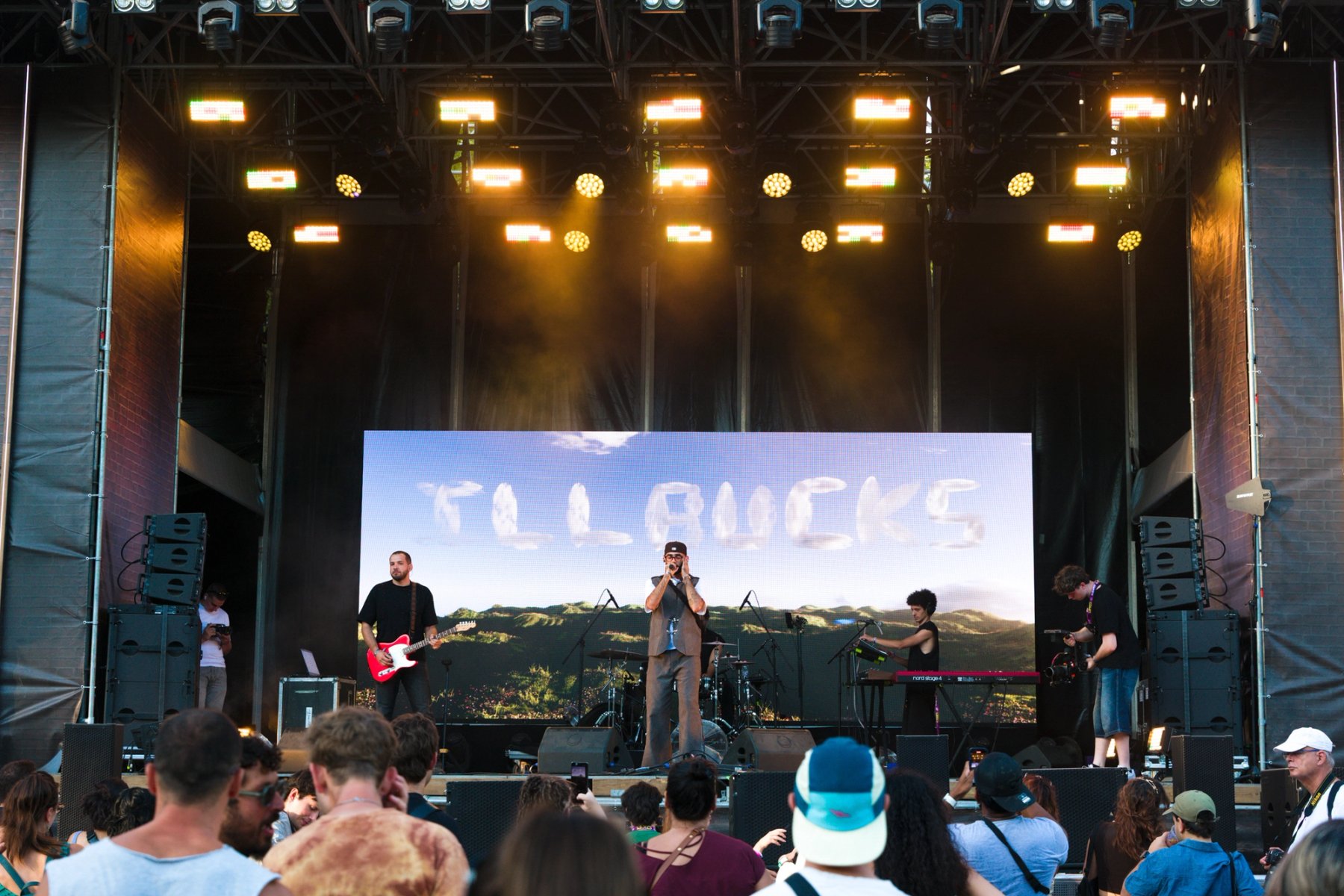
Once the music started, something shifted. I felt like the stage was truly mine, and the connection between me and the band was completely locked in. Performing on that scale was honestly beyond words, an absolute dream come true. The energy was unreal, and it proved that our sound belongs on those big international stages.
We saw you in the front row at other artists' shows, Jorja Smith for example. What do you pay attention to when you're watching instead of performing?
I love Jorja Smith. I've been listening to her for a long time and she's genuinely one of my biggest musical inspirations, so watching her live was an absolute dream.
Being at a festival like Sziget gives you a rare front-row view of how world-class artists operate. When I'm in the audience I'm watching with a dual perspective, as a fan enjoying the moment but also as an artist studying the craft. I pay close attention to stage articulation: how they command the space, move between tracks, and build real connection with a massive crowd. I look at how they structure the musical storytelling from start to finish, as well as the dynamic arrangements between the instruments and vocals. Watching a performance at that scale is a huge learning experience, and it constantly inspires me to refine my own stage presence and push my live shows further.
Which other act at Sziget was the best thing you saw?
Hands down, Parcels. They were absolute top-tier, high-class musicianship. Just pure, unbelievable quality from start to finish. Watching them play was so unreal that at one point I literally felt like what I was seeing couldn't be real. The groove, the tightness, the live dynamics, it was incredible. As a musician who loves real live instrumentation, watching a band operate at that level of perfection was mind-blowing and super inspiring.
You've now seen Sziget as an artist and as a visitor. What's your tip for someone going next year?
Just let go, enjoy it to the fullest, and let it be. Just live.
Which artists do you listen to when you're stuck on a song? And which artist influenced you that nobody would guess from your music?
There isn't one specific artist I turn to, I just dive heavy into R&B.
The one nobody would guess is Bryson Tiller. People know me for a high-energy hip-hop sound, so his atmospheric, soul-infused trap R&B style isn't something most people would immediately link to what I do.
What's next for you, and when?
We've got two projects in the pipeline that we're kicking off right at the end of August 2026. I'm building these alongside two incredible producers I work closely with, Issam Azouzi and Zineddine Benkhoud.
Anything else you want to add?
This whole journey is truly a dream come true. Being able to step onto that stage and represent my country at one of the biggest festivals in Europe and the world is an incredible feeling, and I'm beyond proud of what we've accomplished.
I want to dedicate this milestone to the people who have been right by my side through it all: Nizar Boubaker, Chedi Oueslati, Nadim Chihaoui, Issam Azouzi and Bechir Jelassi. This victory belongs to all of us.
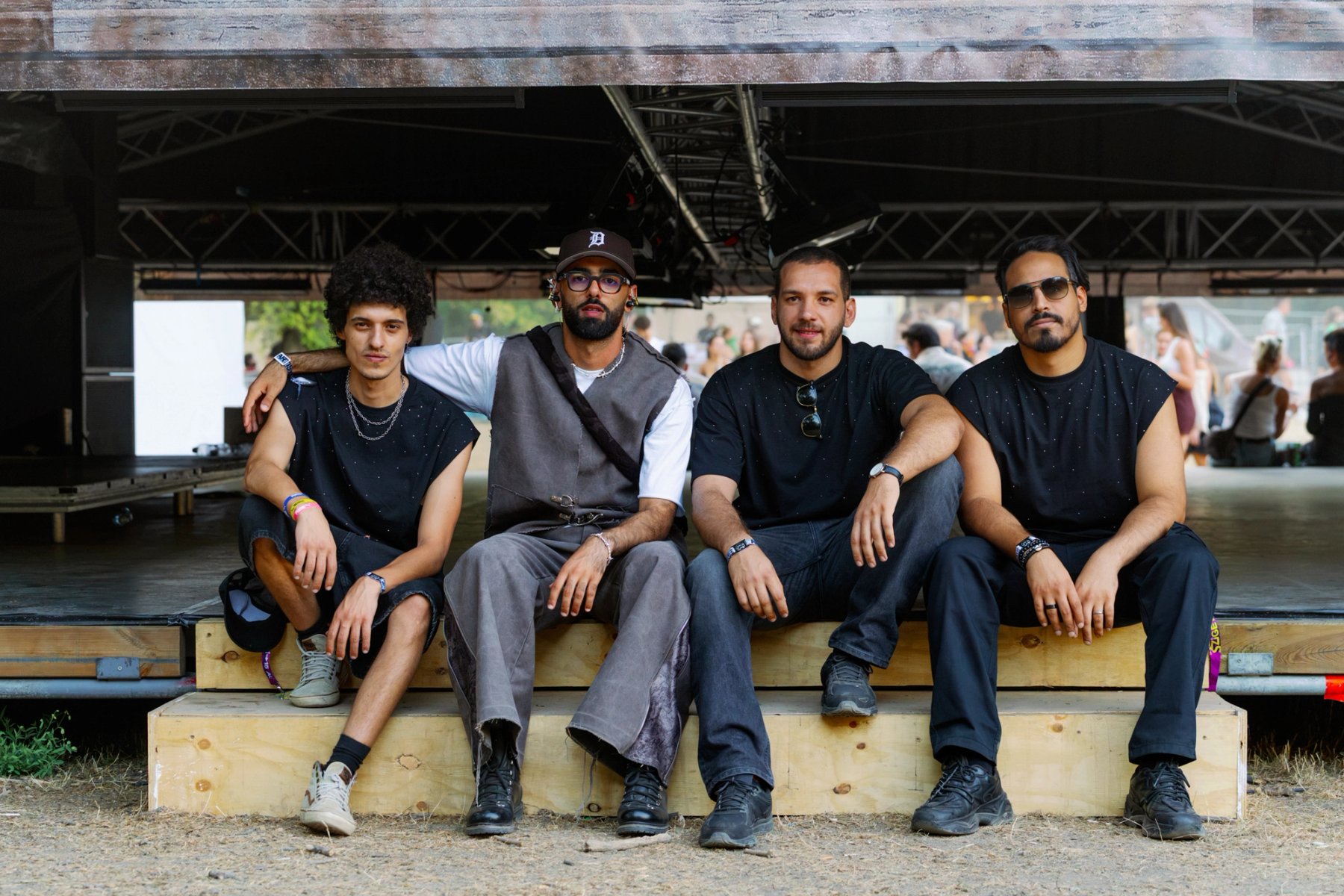
Interview with Illbucks.
Also on TREACLE
Voices
Wild Wild Women: "If the hunger dies, you die"
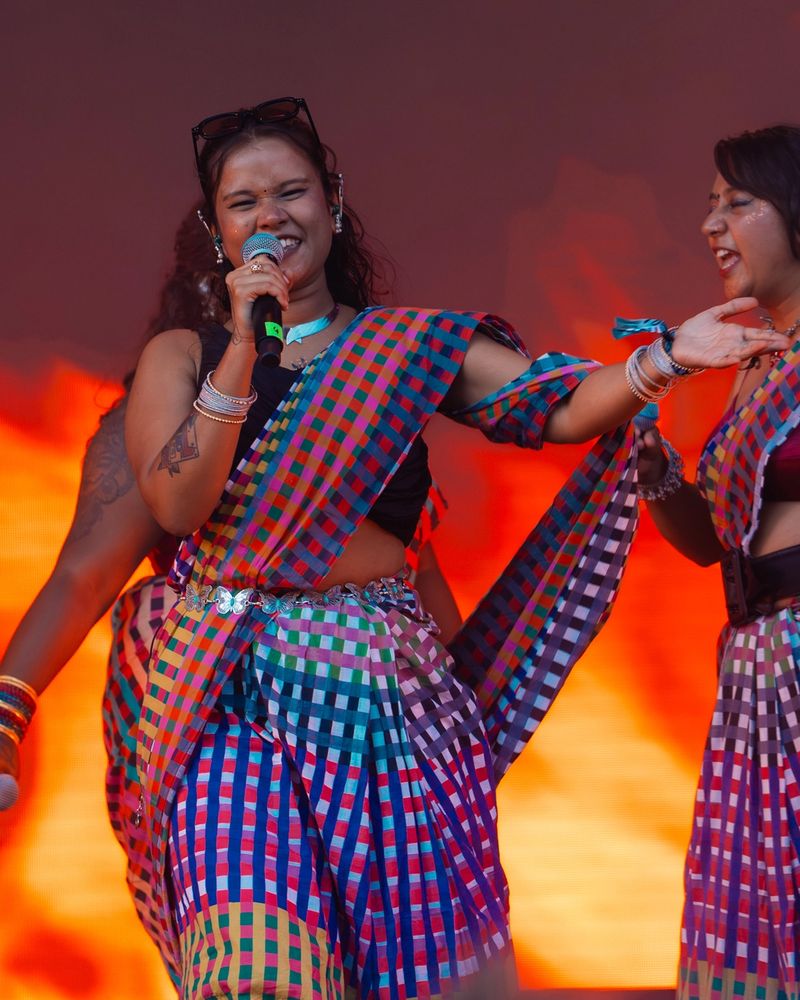
India's first all-female hip-hop collective spent this summer on their most extensive European run yet, ending at Sziget. MC Mahila, one of the five, on how it started at a cypher in Mumbai, what it cost to get there, and why nobody in the group writes anybody else's verse.
Field Notes
Sziget 2026, Day -1 and Day 0: the year the festival got itself back
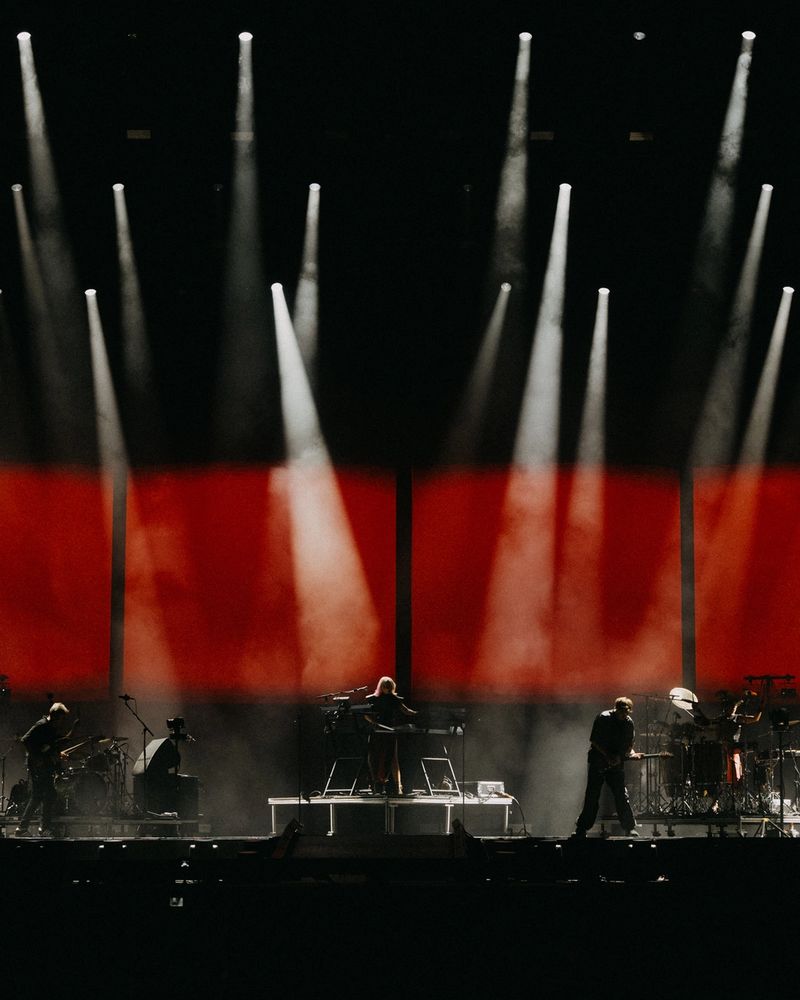
For the first time since 2017, Sziget belongs to the people who built it. You can hear it in what they programmed before the festival even opened.
Voices
"Don't only chase the biggest names"
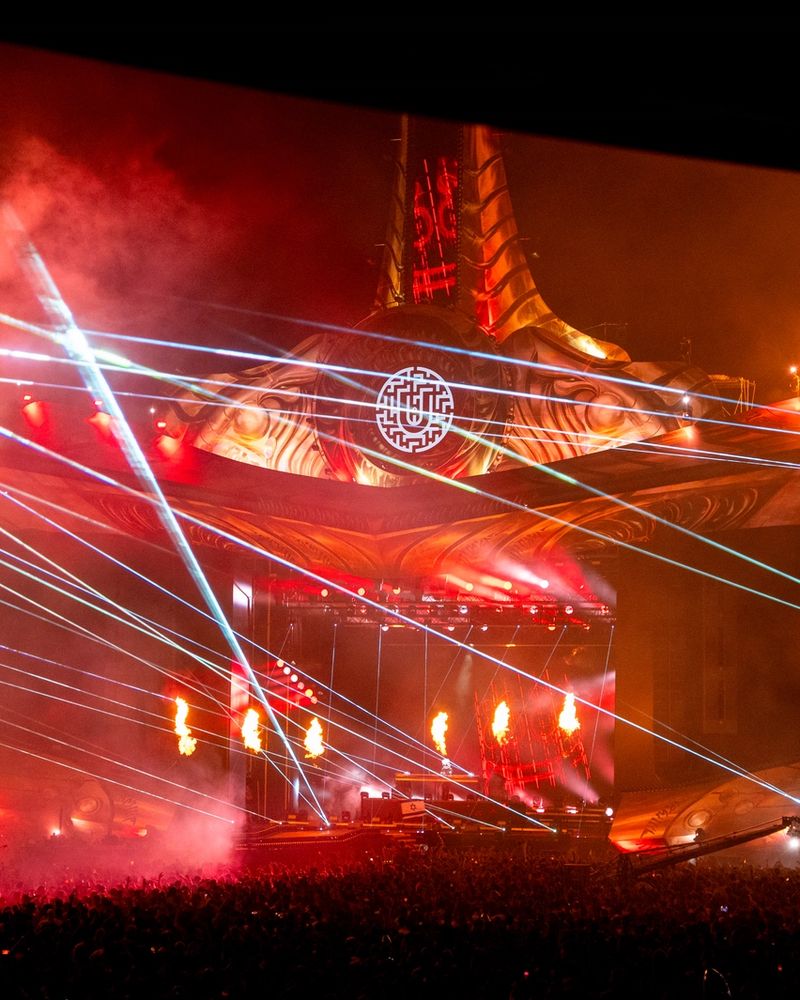
Half a million people, nine stages and a main stage inside a football stadium. What Untold is actually like, from someone who spent all four days moving between them.
TREACLE