
Field Notes
05.08.26 · Amsterdam
WorldPride Amsterdam is not over: the Reguliersdwarsstraat, and what is still to come
// Coda · 6 min read
This weekend we had a photographer in the Reguliersdwarsstraat for Regulier Celebrates, the street party that turns Amsterdam's oldest gay street into one long dancefloor.
Their own summary of the day was short and hard to improve on: a weekend full of love, party and colour, where everybody was free to be themselves, and being the person allowed to photograph it was the privilege.
A street that throws its own party
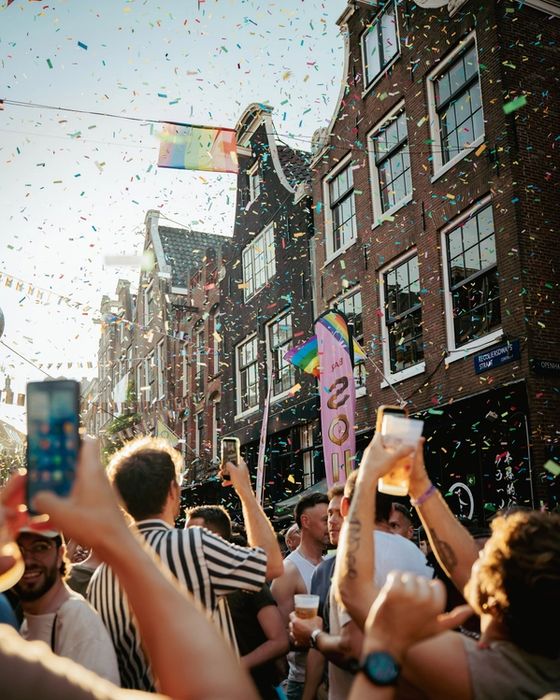
The Reguliersdwarsstraat has been the gay heart of Amsterdam since the nineties, and it has a long habit of closing itself off and throwing a party: King's Eve, King's Day, and every Pride. What makes Regulier Celebrates different from the big stages at the Museumplein and Dam Square is who is behind it. This is not programmed by a festival organisation. It is thrown by the venues on the street itself: Taboo, SOHO, NYX, Exit Café, Duke of Tokyo, Blend and the rest of them, the bars people go to on an ordinary Tuesday.
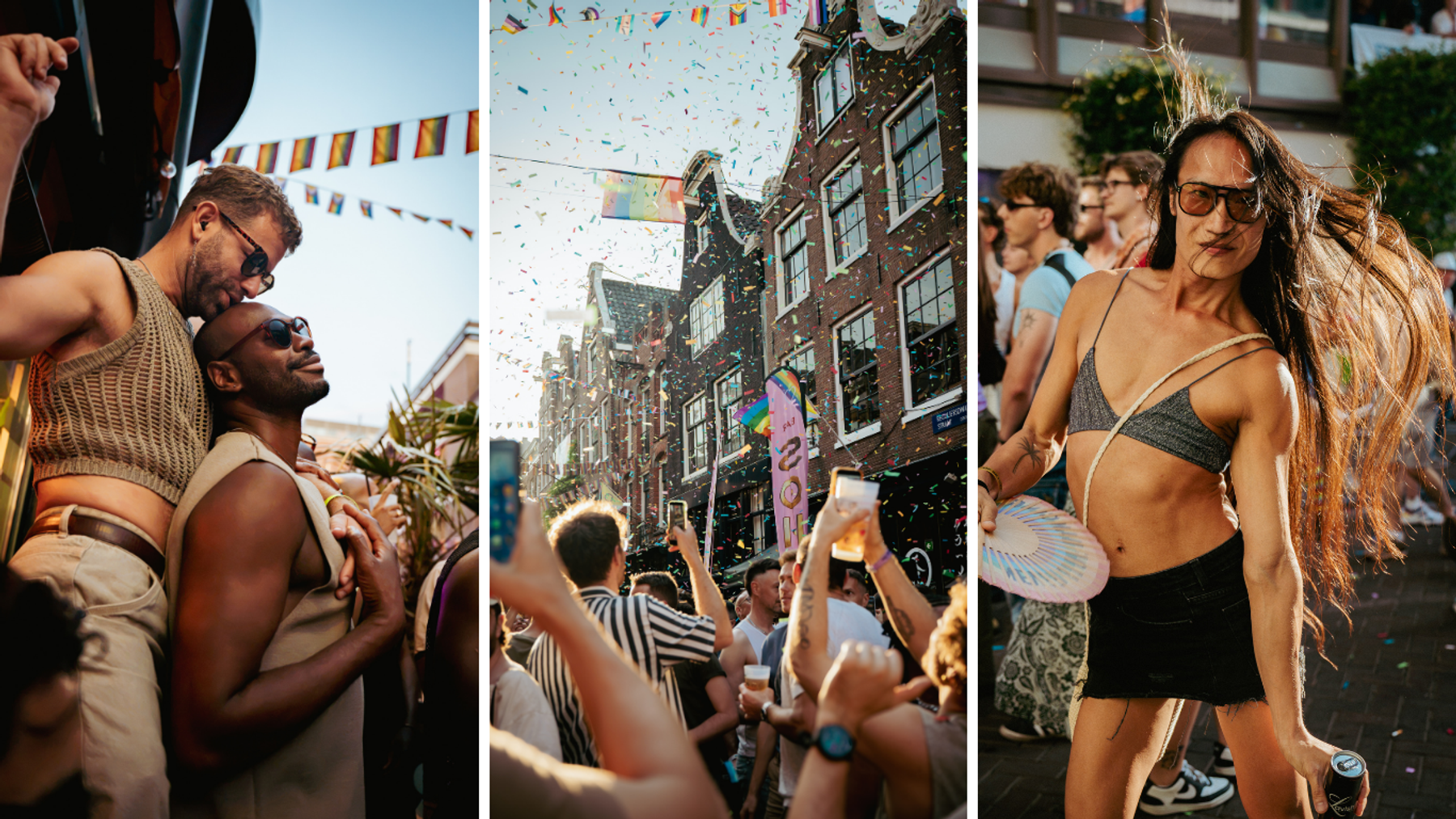
It ran on Friday 31 July from 17:00 and Saturday 1 August from 15:00, both nights until midnight. Free, wheelchair accessible, one entrance on the Vijzelstraat and exits onto the Geelvincksteeg and the St. Jorisstraat. That is also the explanation for the fencing: the street has a capacity, and once it is full the entrance closes. The only paid tier sits above your head, on the SkyDeck and SkyGarden balconies looking down on the street.
The practical reason for the barriers is crowd safety. The effect is something else. A fenced street party thrown by its own bars, for the people who drink in them all year, feels less like an event you attend and more like a living room that happens to hold a few thousand people. In a two-week programme built around stadium stages and international delegations, that is the part that felt closest to the ground.
What the city did last weekend
Regulier Celebrates was one street inside a much bigger weekend. From 31 July to 2 August the centre filled with street parties across more than a dozen venues, running into a finale on the main stage at Dam Square. On Saturday the Canal Parade took its usual route from the Oosterdok through the Amstel and the Prinsengracht, around eighty decorated boats in front of an estimated half a million people on the quays.
This year the parade had something it has never had before: a temporary stadium on the Prinsengracht, around ten thousand seats, with the boats sailing straight through it. A strange and rather wonderful idea, built for one afternoon and then gone. On Tuesday the Museumplein took over, with Beth Ditto, Billy Porter and Joss Stone playing the UNITY Concert to around 25,000 people.
Why this year is different
Amsterdam is not hosting its own Pride this summer, it is hosting WorldPride, the international edition that moves to a different city each time and comes with delegations, activists and organisations from all over the world. That is why it runs for two full weeks, from 25 July to 8 August, rather than a single weekend. Most of the programme is free: the walk, the parade, the street parties, the village, the march. Only the evening concerts and the human rights conference need a ticket.
What is still to come this week
WorldPride Village, Museumplein, all week, free. The meeting point for the second week, between the Rijksmuseum and the Concertgebouw, with LGBTI+ organisations and cultural programming. The easiest thing on this list to walk into.
Wedding Party XXL, Thursday 6 August, 18:00, Museumplein. Billy Porter again, plus Bimini, HAAi, KI/KI and, because this is still the Netherlands, the Vengaboys. Ticketed.
WorldPride March, Saturday 8 August, free. Gathering from 15:00 at President Kennedylaan, moving off at 16:30 and ending at the Museumplein. If you do one thing from this list, do this one, and read the next section for why.
Closing Concert, Saturday 8 August, from 18:00, Museumplein. Olly Alexander, Lion Babe and The Blessed Madonna close out the two weeks. Ticketed, and it starts as the march arrives.
If you want to see more than Pride week, this is where to see live music in Amsterdam the rest of the year.
The flags at the front
Here is the detail that stops the whole thing from being only a party. During Saturday's march, the flags of every country where homosexuality is still a criminal offence are carried through the city. The organisers work from current ILGA World data and alongside 76 Crimes, which tracks that legislation as it changes.
It is a simple gesture and it lands, because it says out loud what a weekend of colour can otherwise leave unsaid: that the freedom on display in the Reguliersdwarsstraat this weekend is not the global default, and that for millions of people the parade is the thing that cannot happen. Amsterdam gets to hold both at once. That is what a Pride is for.
And why it is still needed here
It is tempting, in a city like this, to treat Pride as a celebration of a job already done. The Netherlands was the first country in the world to open marriage to same-sex couples, in 2001. That reputation has outlived the reality. On ILGA-Europe's Rainbow Map the country now sits thirteenth in Europe, on 64 percent. Not the leader. Not close.
The numbers underneath that are worse. A joint report from the police and the Dutch anti-discrimination agencies, published in April this year, found reports of violence and discrimination against LGBTQIA+ people rising. In the accompanying survey, 42 percent said they had experienced something negative in the past year, from insults to harassment to the sort of remark that gets defended as a joke. Twelve percent had been threatened. Nine percent had been spat at. Among LGBTI asylum seekers, more than half reported discrimination inside the reception centres they were sent to for safety.
So the street parties are not a victory lap. Half a million people on the canals, and a fenced-off street in the centre where everyone gets to be exactly who they are for two days, is not the same as a country where that is guaranteed on the other 363. That is what makes a weekend like this worth photographing, and worth turning up to.
Credits
Regulier Celebrates, Reguliersdwarsstraat, Amsterdam, August 2026, shot by Jill Bronkhorst for TREACLE. Full programme and tickets at pride.amsterdam.
Also on TREACLE
Field Notes
Seven years, 100,000 women, and a dancefloor without fear
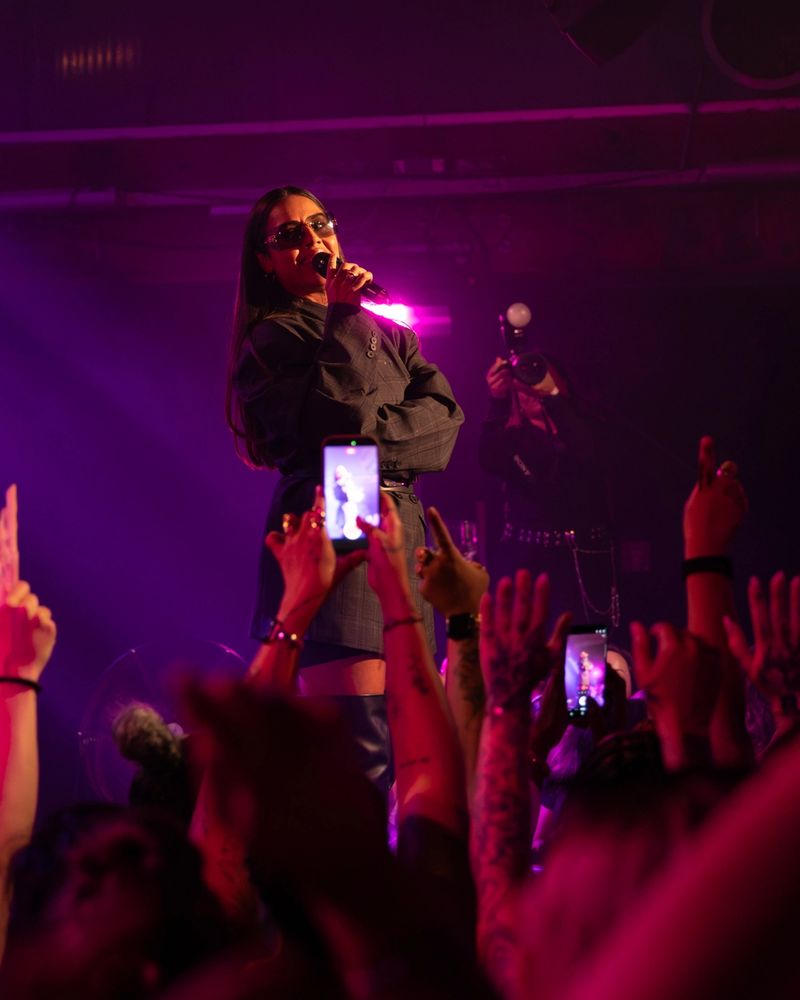
Femmazing filled two stages at IJland on Saturday without putting a single man on either bill. That is not a booking quirk. It is the whole argument.
From the Pit
Shooting at Melkweg Amsterdam: A Photographer's Guide
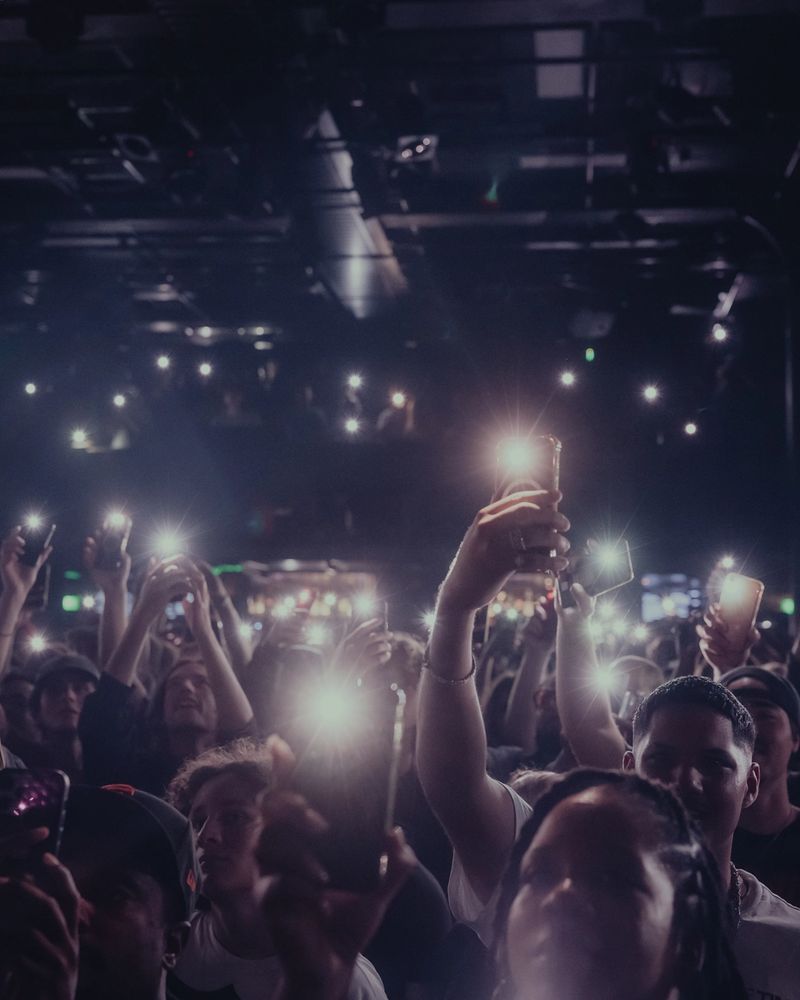
What to expect from the Max, the OZ and the Rabozaal, where to stand when there is no pit, and how photographers actually get in.
Field Notes
GoldFord left business for music. Frankfurt gets the result.
Eleven years after his first album, GoldFord is touring the EP that finally broke. The tour has one German date: Batschkapp, Frankfurt, 16 October.
TREACLE