
Field Notes
25.08.26 · Amsterdam
Where to see live music in Amsterdam: a guide to the rooms
// Coda · 9 min read
Amsterdam is a small city with an unreasonable number of stages. Two of them, five minutes' walk apart behind the Leidseplein, have shaped what this country hears for more than fifty years. The rest are scattered through old churches, squats, shipyards and a former dental school. Here are the rooms worth knowing, smallest to largest.
This is a live music list. Amsterdam has a formidable club scene too, but that is a different guide and mostly a different night.
The small rooms
OCCII, Amstelveenseweg. 225 people in an 1883 horse-tram depot at the south end of the Vondelpark, squatted in 1984 and legalised in the early nineties. Entirely volunteer-run and non-profit, booking punk, noise, folk, improv and things with no name yet. Fun detail: the building is by Abraham Salm, who also designed Paradiso and Melkweg.
De Nieuwe Anita, West. Started in 2001 as parties in a back room and never really stopped being that. A tiny stage for starting and touring musicians, plus film nights, stand-up try-outs and a fifties and sixties club night that has run since 2003.
Maloe Melo, Jordaan. The blues and rock'n'roll dive, red walls and no pretence. Live music most nights, roughly Wednesday to Saturday. Amsterdam's current night mayor names it as his favourite room in the city, which tells you something. Bring earplugs, it gets loud. Jur Scherpenzeel has run it for decades and is now handing it on.
Vondelbunker, Vondelpark. A former nuclear shelter underneath a bridge in the park, run without commercial interest, entry on donation. Punk, experimental, benefit nights. Not for everyone, and that is the point.
Cinetol, De Pijp. A former theosophical temple with an eetcafe attached, now a small stage for singer-songwriters, jazz-adjacent projects and indie.
Bitterzoet, Spuistraat. 350, open since 2003, and one of the most reliable launchpads in the country for hip hop and alternative acts. Paradiso programmes here regularly, which is a decent shorthand for the quality of the booking.
OT301, Overtoom. 300 to 400 in the old Dutch Film Academy, squatted in 1999 and then actually bought from the city in 2006 by the people using it, so it is owned rather than tolerated. Bands midweek, electronic at weekends, with a vegan cafe, cinema and gallery in the same 2,500 square metres.
Skatecafe, Noord. A skate hall turned restaurant and venue, worth checking simply because the programming is unpredictable in the good way.
Het Sieraad, West. A 1920s craft school on the Postjesweg, built in the Amsterdam School style, with an atrium sixteen metres high under a glass roof and three smaller halls named after the trades once taught in them. Most nights it is a club, which is why it rarely turns up on a live music list, but touring bands play here and the room does something for them that a purpose-built venue cannot. We photographed Caamp here in November 2022.
Jazz
Bimhuis, IJ waterfront. Around 300, founded in 1973 and moved into its purpose-built glass box beside the Muziekgebouw in 2005. Roughly 250 concerts a year, jazz and improvised music only, from Dutch students to Brad Mehldau. The back wall of the hall is a window onto the IJ, which does something to a late set that no amount of lighting design can.
Jazz Café Alto and Bourbon Street, Leidseplein. Alto has had live jazz every single night since 1953, in a room where standing means standing against someone. Bourbon Street around the corner does seven nights a week and lets the jam run late. Neither takes reservations seriously. Just turn up.
Splendor and Zaal 100, Centrum and West. Splendor is owned and run by fifty musicians who fund it through memberships, so the programme goes wherever they go. Zaal 100 calls itself a stage for unheard sound and runs a weekly improv night, though it shuts for July and August. Both are the answer to "where do the musicians go".
Club Dauphine, Oost. Friday Night Live, a house band and at least six guest singers a night, working through jazz, soul, funk, nu-soul and bossa. Candy Dulfer is the musical adviser and turns up to play when her diary allows. You eat at a table in front of the stage or stand at the back with a drink, which makes it the one room on this list you can take someone to who says they do not like going to concerts.
The two that matter most
Paradiso, Weteringschans. Around 1,500 in the main hall, plus a 250-capacity Kleine Zaal upstairs and a basement. A nineteenth-century church, squatted and turned into a music venue in 1968, and still the best-looking room in the country: stained glass behind the stage, a balcony wrapping the floor on two levels. Everything plays here, from indie to hip hop to a Sunday night club. If you only get one Amsterdam show, make it this one. Paradiso has put a renovation and new-build plan on the table, around 93 million euro, to keep the building working for the next fifty years, so the hall you walk into now may not be the one you walk into in a few years' time.
Melkweg, Lijnbaansgracht. A former dairy factory, hence the name, five minutes from Paradiso and its lifelong sparring partner. The Max holds 1,500, the Oude Zaal 700, plus a 112-seat theatre, a cinema and a photography gallery in the same building. We have shot more shows here than anywhere else, and the Oude Zaal in particular is one of the great mid-size rooms in Europe.
Going to Melkweg as a photographer? Check our photographers guide.
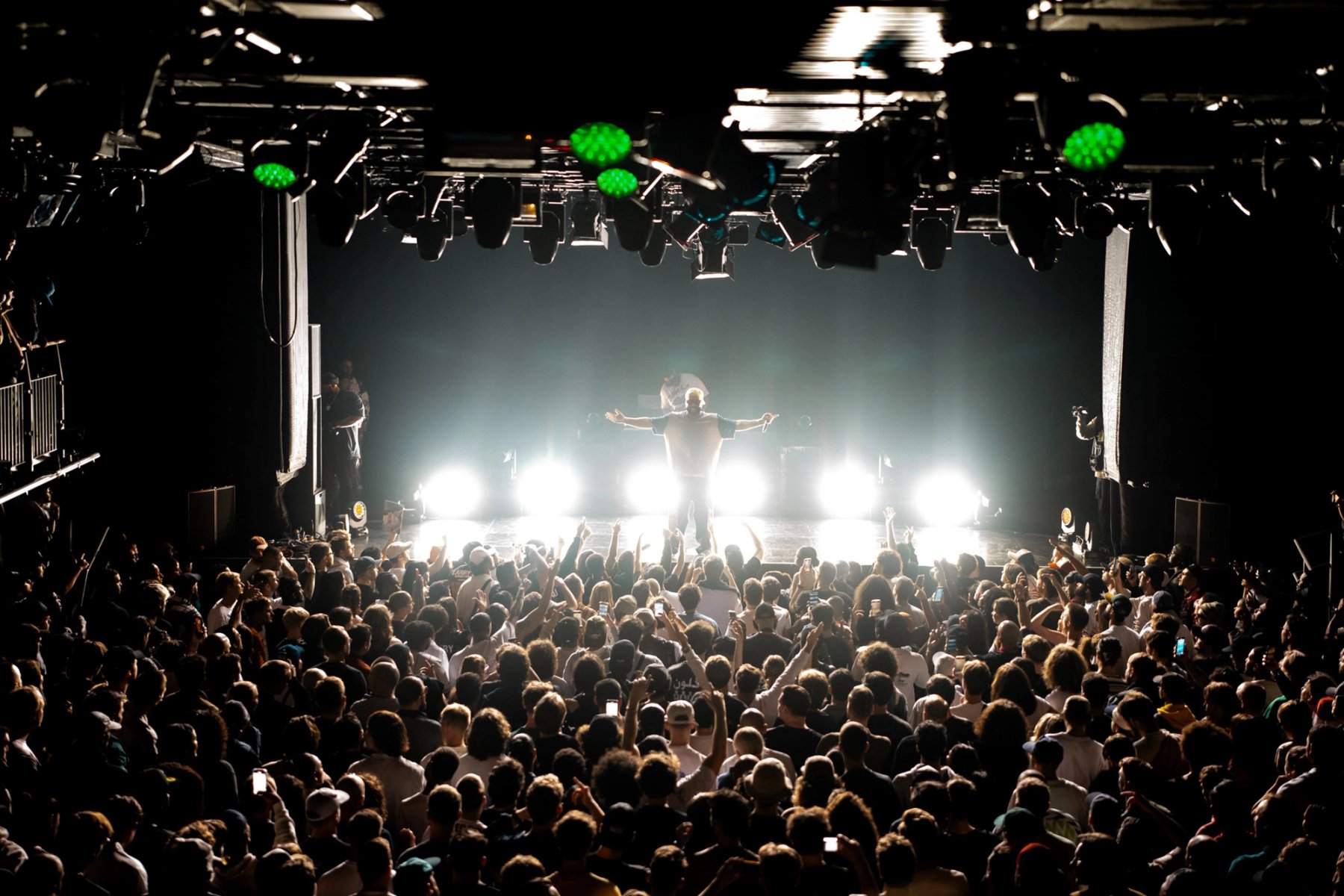
Paradiso in Tolhuistuin, Noord. Up to 550 across the IJ, a two-minute free ferry from Centraal, in a 1960s Shell staff building with a garden. Paradiso programmes here, so expect the same booking instincts at a smaller scale. You may still see it called Paradiso Noord; that hall was rebuilt as club Parallel in 2022 and the name has quietly been retired.
Concert halls and theatres
Concertgebouw, Museumplein. 1,974 seats in the Grote Zaal, 437 in the Kleine Zaal, and an acoustic that sits in the world's top three with Vienna and Boston: 2.8 seconds of reverberation when empty. Around 900 concerts a year. Even if classical is not your thing, the free Wednesday lunch concerts are the cheapest great hour in the city.
Muziekgebouw aan 't IJ. 725 seats, and the room can retune itself: movable ceiling, walls and stage floor, adjusted per concert. Contemporary classical, new music, electronic and crossover, about 300 concerts a season.
Koninklijk Theater Carré, Amstel. 1,756 seats in a building put up in 1887 as a permanent circus, which is why the auditorium is a horseshoe around what was the ring. Seated shows, cabaret, and the room Dutch artists record their live albums in.
Meervaart and Podium Mozaïek, Nieuw-West and West. The two rooms that programme for the parts of the city the canal belt forgets. Meervaart seats 800 on the Sloterplas, Podium Mozaïek up to 350 inside a hall lined with handmade Iznik tiles. Worth the tram.
The big rooms
AFAS Live, Zuidoost. 6,000, purpose-built in 2001 for amplified music and still the best-sounding big room in the country. The facade spells the name out in 70,000 blue bottle caps, a leftover from the years when it was the Heineken Music Hall.
Ziggo Dome, Zuidoost. 17,000 in a ninety-metre cube wrapped in 840,000 LEDs, despite what the name suggests. Arena-scale pop and rock, and the last stop before a stadium.
Johan Cruijff ArenA, Zuidoost. Ajax's stadium, and the only true stadium show in the city: up to 71,000 with a centre stage, 50,000 with the stage at one end. Retractable roof, so the show goes on regardless of Dutch weather.
Vondelpark Openluchttheater. Free, outdoors, weekends from June to early September, funded by a collection bucket at the end. Around 150 performances a season and roughly 100,000 people. Bring a blanket, arrive early, pay what you can.
One thing to know before you plan
The rooms above are healthy. The wider picture is not, and it is worth knowing. The Dutch venue association published its 2025 figures in mid-2026: across its member venues, audiences fell by almost five percent in 2025, and average attendance at club nights fell thirteen percent between 2023 and 2025. Costs rose faster than income, and 52 percent of venues closed the year in the red. Amsterdam has already lost De School, which shut in January 2024 when its permits ran out and its site was redeveloped, and De Marktkantine before it.
Which is the argument for the whole list, really. These places are not permanent. Buy the ticket.
We have worked in most of the rooms above. Who played, on which night, and who took the picture is all in the Coda archive, searchable by artist and by venue, with every frame credited to the photographer who shot it.
One more thing. From June to September a lot of the best music in this city is not in a room at all. Kwaku alone runs four weekends in Nelson Mandelapark in Zuidoost, free, and pulls around 300,000 people. Most of the rest of the outdoor calendar is electronic, which is a different guide again, but it is worth knowing how much of it there is. Nothing above will tell you any of it is on. Keep an eye on the I amsterdam festival calendar through the summer, and check the Vondelpark Openluchttheater programme while you are at it. A lot of what you would want to see is outdoors, and a fair amount of it is free.
Also on TREACLE
From the Pit
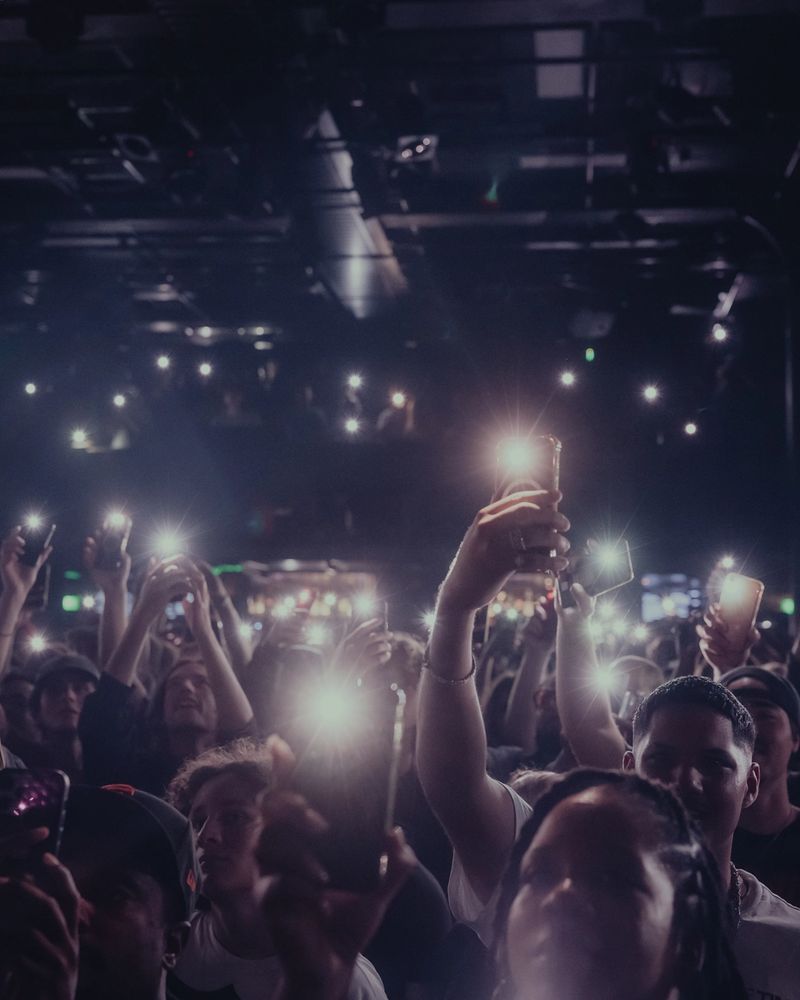
Shooting at Melkweg Amsterdam: A Photographer's Guide
What to expect from the Max, the OZ and the Rabozaal, where to stand when there is no pit, and how photographers actually get in.
Heard
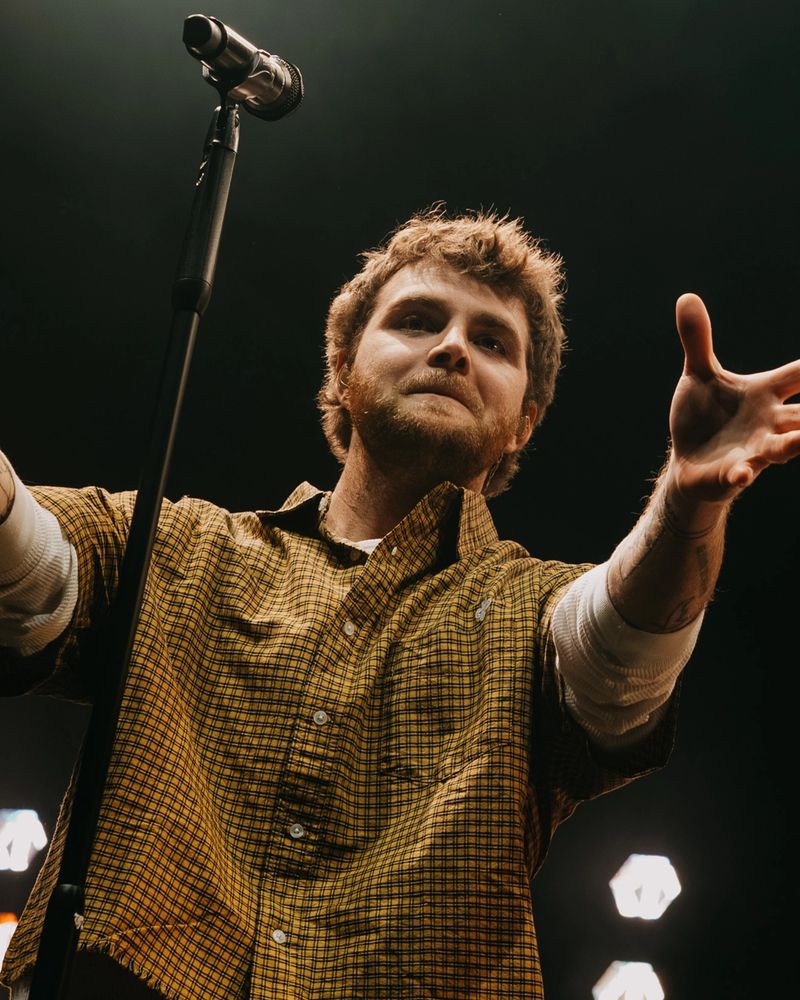
WILDCHILD: Alex Warren named his second album after what his father called him
Thirteen songs, out today, named after the nickname his late dad used and that he now has tattooed on him. We photographed him at AFAS Live eighteen months ago, one arena before the arena.
Field Notes
ADE 2026: what a day actually looks like
The 30th Amsterdam Dance Event runs 21 to 25 October, from an aquarium at nine in the morning to hundreds of club nights. Here is the shape of a day.
TREACLE