
Voices
25.06.26 · Roskilde
Kneecap: who they are, and how a Belfast trio became music's most argued-about band
// Coda · 3 min read
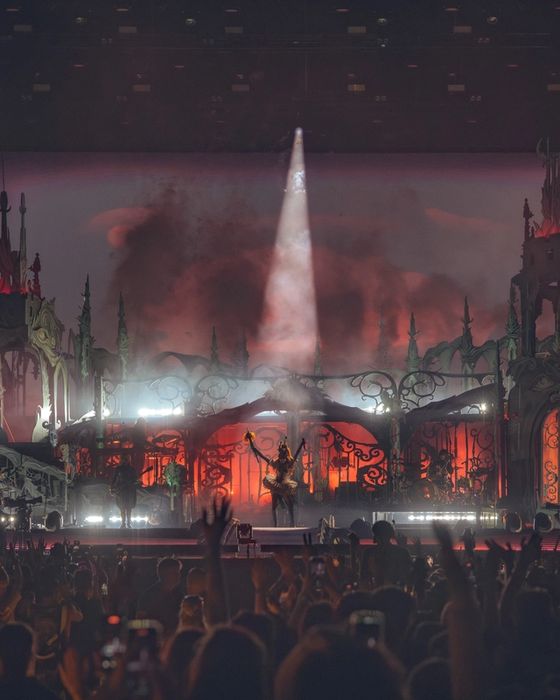
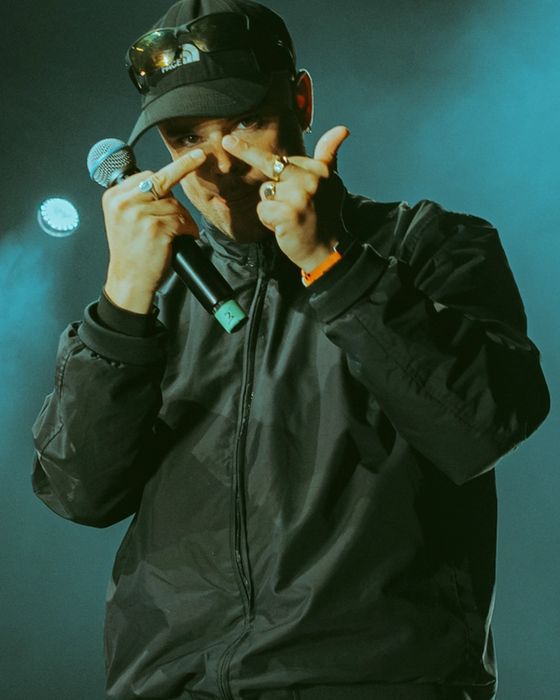
We were in the pit for Kneecap at Roskilde in 2024. Three lads from Belfast rapping in Irish and English, to a crowd that sang back every word it could. At the time they were a rising act with a film on the way. A year later they were one of the most argued-about names in music.
Who they are
Kneecap are Mo Chara (Liam Óg Ó hAnnaidh), Móglaí Bap (Naoise Ó Cairealláin) and DJ Próvaí (J.J. Ó Dochartaigh). They rap in a mix of Irish and English about drugs, working-class Belfast life and a united Ireland. Rapping in Irish, long pushed to the margins under British rule in Northern Ireland, is the point. Their first single, in 2017, was called C.E.A.R.T.A., Irish for rights. Their album Fine Art arrived in 2024, the same year the film Kneecap, a Sundance breakout that later won a BAFTA, told their origin story.
The politics are not a marketing layer, they are the band. Irish language, Irish identity, anti-establishment, and open support for Palestine. That last position is where the trouble started.
The year of the bans
It came fast. At Coachella in April 2025 the band put pro-Palestinian messages on the screens, including that Israel is committing genocide against Palestinians. The backlash was loud: calls to revoke their US visas, death threats, and a split with their booking agent. In June they played Glastonbury after several MPs, including Prime Minister Keir Starmer, asked the festival to drop them. The BBC chose not to broadcast the set live. Police later dropped their investigation into the performance.
In July 2025 Hungary banned the band from the country for three years, just before their planned Sziget set on 11 August. The government of Viktor Orbán called them antisemitic and a national security risk. The band called it a political distraction tied to their support for Palestine. Sziget's director Tamás Kádár called the ban unprecedented, unnecessary and regrettable.
What it looks like in a crowd
Around the time of the Hungary ban, we were shooting Casey Lowry's set on the Buzz Stage. Kneecap had teased a surprise announcement online. Lowry opened his show by telling the crowd he had a message from his friends, and played a pre-recorded video from the band. For a second we thought Kneecap might walk out themselves. They did not, but impact was there. The crowd was huge, and Palestinian flags were everywhere.
The court case
The sharpest charge was legal. Mo Chara was charged with a terror offence over a Hezbollah flag shown at a London gig in November 2024. In September 2025 a British court threw the case out on a technicality: the charge had been filed a day too late. Prosecutors said they would appeal. The band says it does not support Hezbollah or Hamas and does not endorse violence.
None of it has slowed them down. On 27 June 2026 they play their biggest headline show yet, Crystal Palace Park in London, around 25,000 people, with The Mary Wallopers, Fat Dog and Biig Piig among the guests.
Whatever you make of the politics, the pattern is hard to miss: bans, charges and pulled broadcasts have not made Kneecap smaller. We shot them in 2024 as a rising act. They are not rising anymore and not backing down.
Also on TREACLE
The Wire
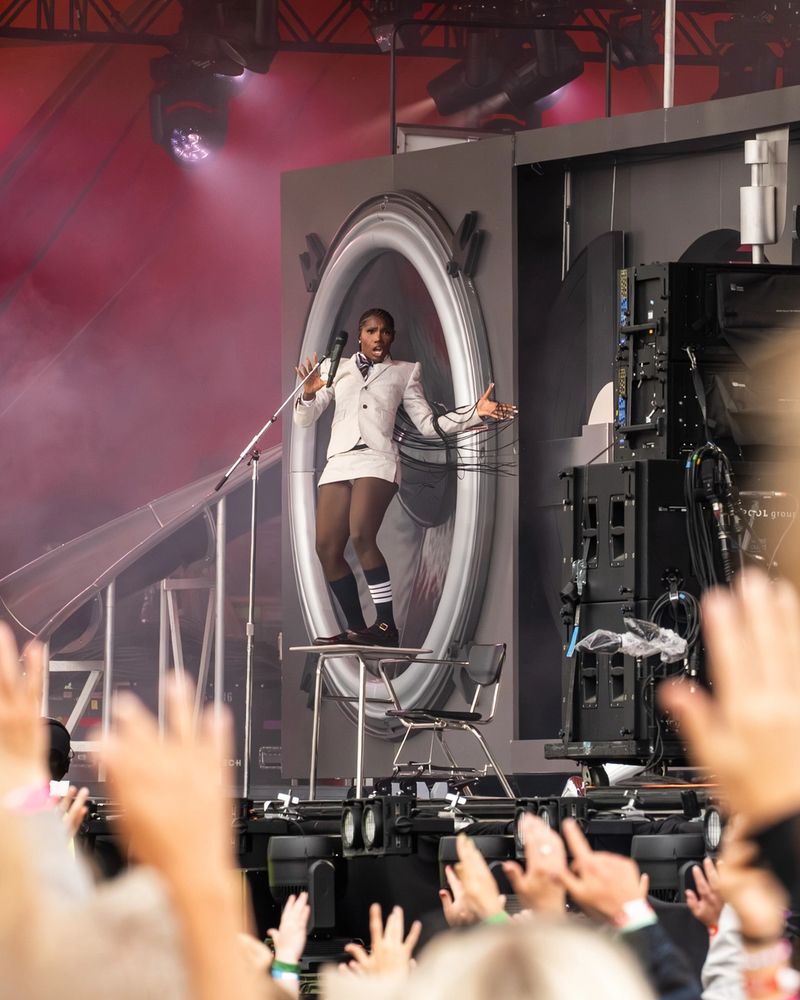
Doechii's Swamp Sessions are back with "BOMBS". The last run ended in a Grammy.
In 2024, six Swamp Sessions led straight into Alligator Bites Never Heal. Now there is a fembot with guns in her chest, and no word yet on what comes next.
The Wire
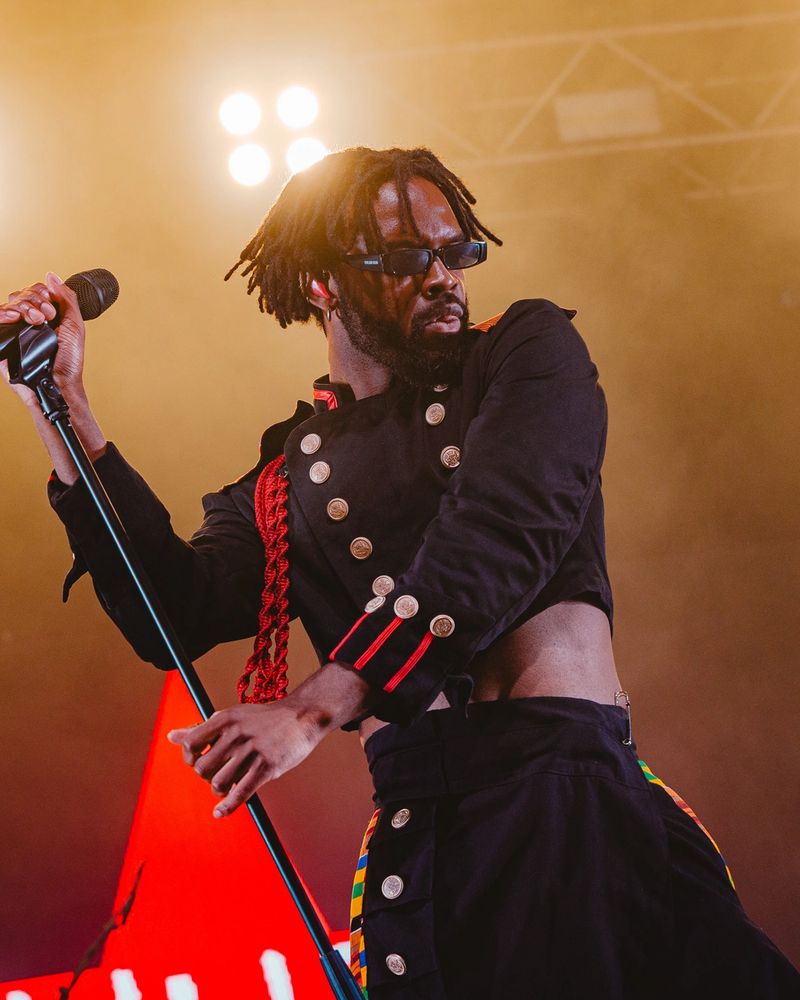
Genesis Owusu has won Album of the Year twice. Now his third album is nominated.
He leads the 2026 ARIA nominations with eight, level with Tame Impala. Ecca Vandal has seven. We photographed Owusu and Vandal at Roskilde in July, one day apart.
Voices
Wild Wild Women: "If the hunger dies, you die"
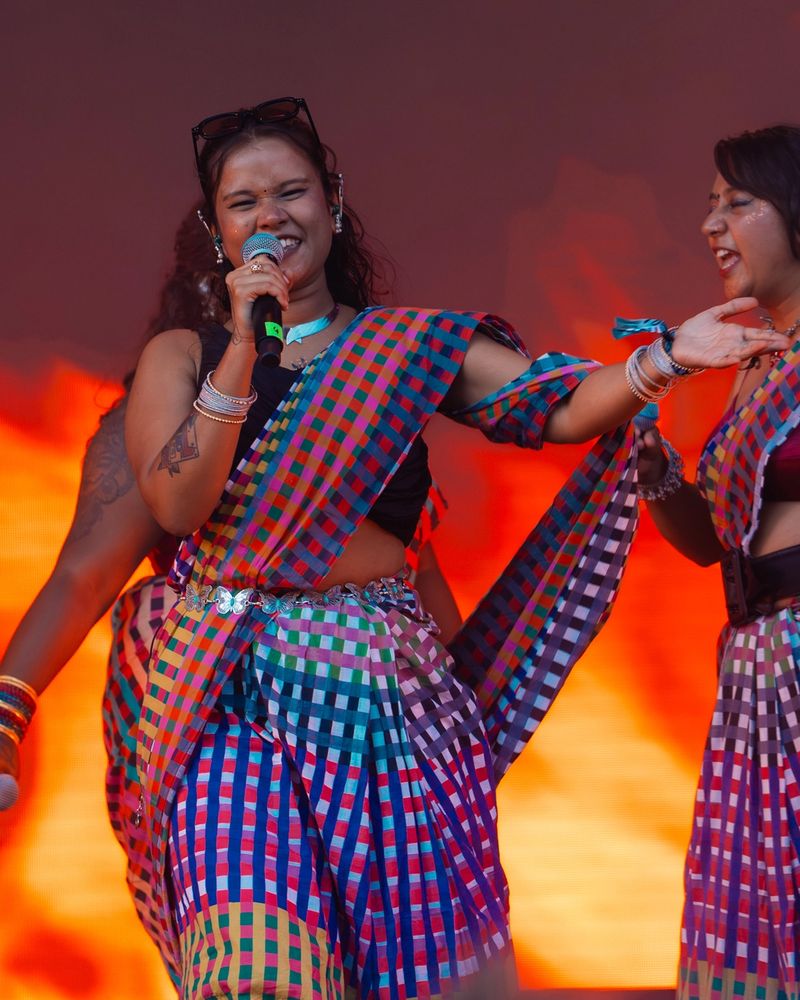
India's first all-female hip-hop collective spent this summer on their most extensive European run yet, ending at Sziget. MC Mahila, one of the five, on how it started at a cypher in Mumbai, what it cost to get there, and why nobody in the group writes anybody else's verse.
TREACLE